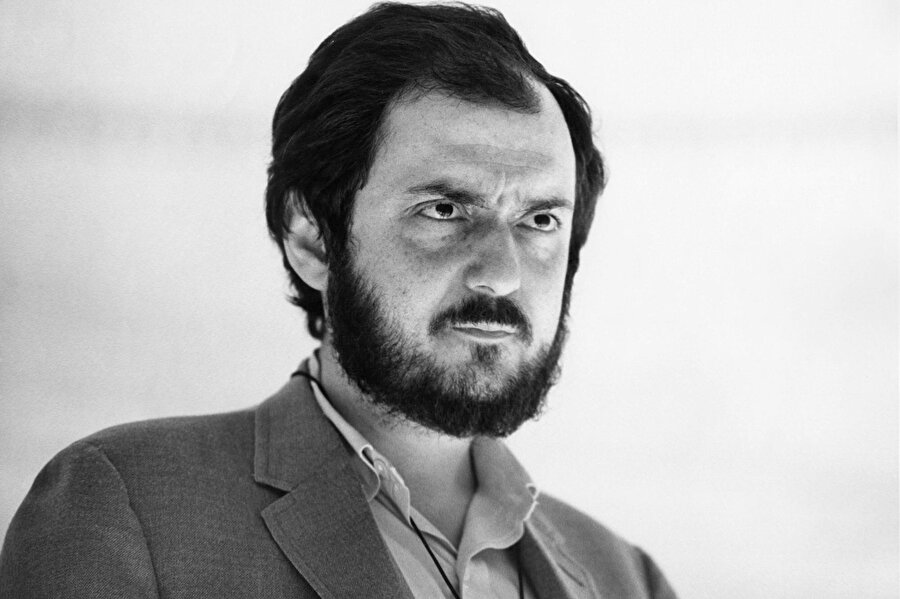
Few filmmakers have shaped cinema as profoundly as Stanley Kubrick. Known for his perfectionism, visual precision, and intellectual depth, Kubrick remains one of the most mysterious directors in film history. Beyond masterpieces like 2001 and A Clockwork Orange, his life was filled with fascinating details many fans never discover.
Here are 50 surprising facts about Stanley Kubrick.
Stanley Kubrick was born on July 26, 1928, in the Bronx, New York, into a middle-class Jewish family. His father, Jacques Kubrick, was a physician who encouraged intellectual curiosity at home and introduced young Stanley to chess—an influence that would later shape his strategic thinking as a filmmaker.
-
Kubrick was not considered an exceptional student in school. In fact, his grades were average at best. What set him apart wasn’t academic excellence, but intense focus on subjects that fascinated him, especially photography and literature.
-
At age 13, Kubrick received a Graflex camera from his father. That single gift changed his life. He became obsessed with composition, lighting, and storytelling through still images.
-
At just 17 years old, he sold a photograph to Look magazine—a poignant image of a newspaper vendor reacting to President Roosevelt’s death. Shortly afterward, he was hired as a staff photographer.
-
Working for Look magazine allowed Kubrick to travel extensively and observe human behavior up close. Many scholars argue that his eye for visual storytelling and social nuance was developed during these formative years.
-
Kubrick never attended film school. He learned filmmaking by studying movies frame by frame in theaters and reading technical manuals. He believed that watching great films critically was the best education possible.
-
Chess was more than a hobby for Kubrick—it was a source of income. He often played competitive chess in Washington Square Park, sometimes using the winnings to finance his early short films.
-
His first short documentary, Day of the Fight (1951), followed boxer Walter Cartier. Kubrick funded it himself and sold it to RKO for a small profit.
-
His early films were made with extremely small crews. In many cases, Kubrick served as director, cinematographer, editor, and sometimes even sound recordist.
-
Kubrick’s breakthrough came with The Killing (1956), which introduced his signature non-linear narrative style—something unusual for crime films at the time.
-
During the production of Paths of Glory, Kubrick clashed with studio executives but fought relentlessly to preserve the film’s anti-war tone.
-
Kubrick met actress Christiane Harlan on the set of Paths of Glory. She later became his third wife and lifelong partner, and remained a guardian of his legacy after his death.
-
While directing Spartacus, Kubrick struggled with the limitations of studio control and star power, particularly with lead actor and producer Kirk Douglas. The experience pushed him to seek full creative autonomy in future projects.
-
After Spartacus, Kubrick moved permanently to England, where he found greater artistic freedom and more controlled production environments.
-
On Dr. Strangelove, Kubrick transformed what began as a serious nuclear war thriller into a dark satire, recognizing that absurdity better captured the insanity of Cold War politics.
-
Actor Peter Sellers played three different roles in Dr. Strangelove, largely due to Kubrick’s belief in Sellers’ extraordinary range.
-
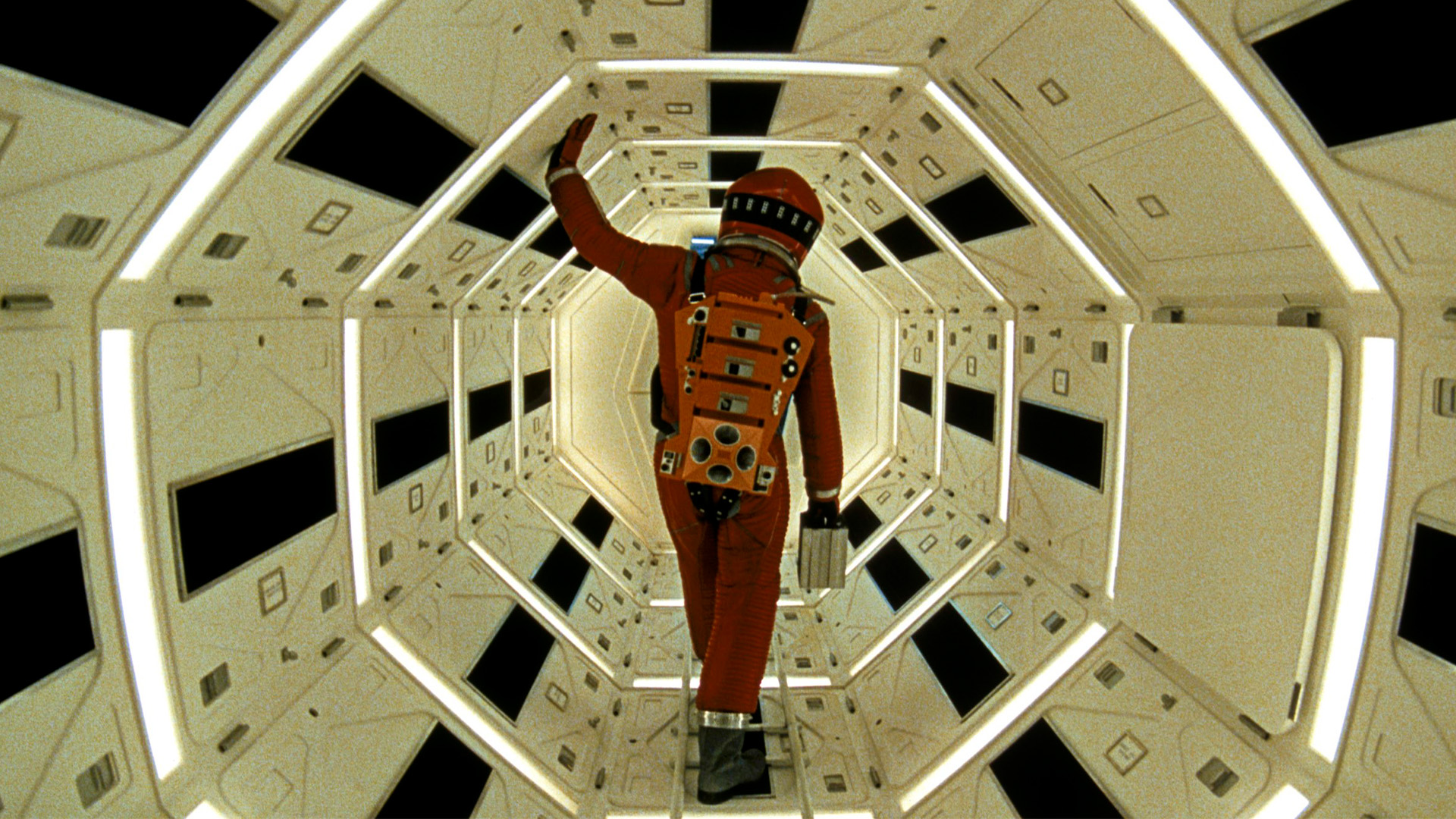
Kubrick was deeply fascinated by artificial intelligence and human evolution, which became central themes in 2001: A Space Odyssey.
-
He collaborated closely with science fiction author Arthur C. Clarke to develop 2001. Their partnership included months of philosophical discussions about extraterrestrial life and consciousness.
-
The special effects in 2001 were so convincing that some conspiracy theorists later (falsely) claimed Kubrick helped fake the Apollo moon landing.
-
Kubrick insisted on scientific realism in 2001, consulting engineers and aerospace experts to ensure accuracy in spacecraft design and physics.
-
He used custom Zeiss lenses—originally developed for NASA—to shoot candlelit scenes in Barry Lyndon, creating an unprecedented natural-light aesthetic.
-
The painterly look of Barry Lyndon was inspired by 18th-century European art, especially works by Gainsborough and Watteau.
-
Kubrick demanded an extraordinary number of takes. On The Shining, Shelley Duvall reportedly performed one scene over 100 times.
-
His perfectionism wasn’t about cruelty; he believed repetition stripped away artificial performance and revealed emotional truth.
-
Kubrick was one of the earliest filmmakers to extensively use the Steadicam, giving The Shining its iconic, fluid tracking shots.
-
The Overlook Hotel in The Shining was constructed entirely on soundstages, allowing Kubrick total environmental control.
-
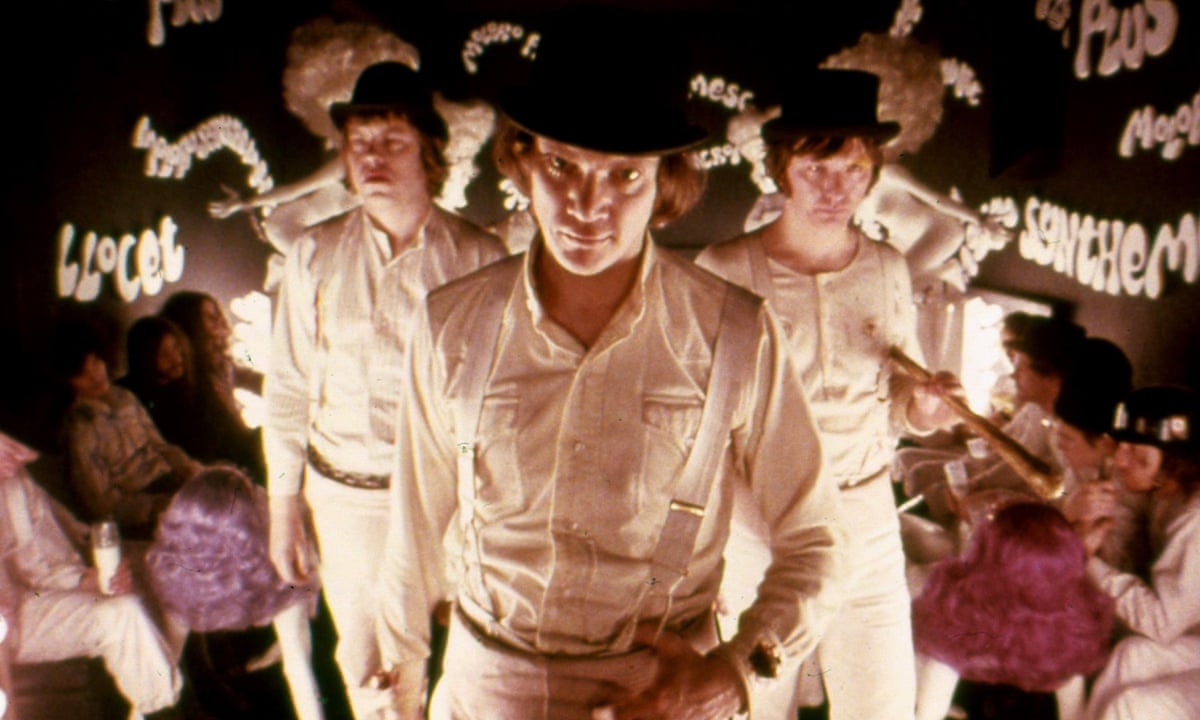
A Clockwork Orange sparked intense controversy for its depiction of violence and was voluntarily withdrawn from UK cinemas for decades.
-
Kubrick was deeply affected by the backlash against A Clockwork Orange, which included real threats to his family.
-
Despite his reputation for coldness, many actors later described him as intellectually generous and surprisingly warm in private conversations.
-
Kubrick conducted enormous research for every project. For Full Metal Jacket, he studied military training methods and interviewed veterans extensively.
-
Full Metal Jacket was filmed largely in England, with a derelict gasworks in London transformed into war-torn Vietnam.
-
Kubrick rarely flew on airplanes due to a fear of flying, which influenced his decision to base himself in the UK.
-
He communicated with collaborators through long, detailed phone calls—sometimes late at night—discussing philosophy, science, and narrative structure.
-
Kubrick was an obsessive archivist, keeping detailed records, research notes, and alternate takes for virtually every production.
-
He loved classical music and frequently built scenes around pre-existing compositions rather than traditional film scores.
-
The use of Strauss in 2001 permanently changed how audiences associate classical music with space imagery.
-
Kubrick’s films were often misunderstood at release but gained critical acclaim over time, illustrating his ahead-of-his-time sensibility.
-
He received relatively few Academy Awards compared to his influence, winning only one competitive Oscar for visual effects.
-
Kubrick worked on Napoleon for years, conducting massive historical research, but the project was ultimately canceled due to financial concerns.
-
His unrealized Napoleon project is often called “the greatest movie never made.”
-
Kubrick embraced emerging video technology in the 1980s and was fascinated by home media and digital editing possibilities.
-
He maintained near-complete creative control over marketing, posters, and even trailer edits for his films.
-
Kubrick valued privacy intensely and avoided press junkets, allowing his films to speak for themselves.
-
He reportedly had an encyclopedic memory for films and could recall technical details decades later.
-
He was an avid reader with thousands of books, often discovering adaptation material through constant literary exploration.
-
Kubrick’s storytelling frequently examined the fragility of civilization and the thin veneer separating order from chaos.
-
Eyes Wide Shut was developed over more than a decade and explored themes of jealousy, sexuality, and secrecy.
-
He delivered the final cut of Eyes Wide Shut to Warner Bros. just days before his death in March 1999.
-
Kubrick passed away at age 70 in Hertfordshire, England, leaving behind an unmatched cinematic legacy.
-
Today, Stanley Kubrick is widely regarded as one of the most influential directors in film history, inspiring generations of filmmakers from Hollywood to Europe and beyond.
Stanley Kubrick remains an enigma—part scientist, part philosopher, part storyteller. The deeper one looks into his life, the clearer it becomes: his films were not just movies, but meticulously engineered explorations of humanity itself.
Yorumlar
Yorum Gönder